news
Beijing's Millions of Vehicles Create Daily Traffic Gridlock for Commuters
With millions of registered vehicles and growing congestion, Beijing’s roads have become a daily challenge for commuters and policymakers alike.
How we reported this
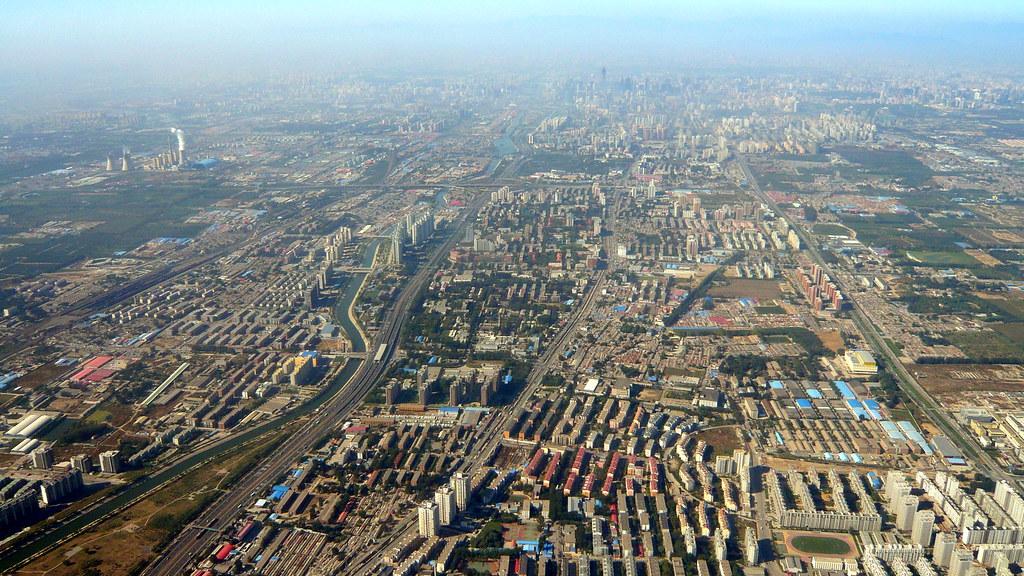
Beijing’s traffic congestion continues to worsen, with the average rush hour speeds dropping to a pedestrian pace of 10 to 15 miles per hour inside the city’s core. The capital now hosts between 6 million and 7.1 million registered vehicles, putting enormous strain on urban roadways that are already operating at or near capacity.[1]
This level of congestion is not just a nuisance but a daily test of endurance for drivers, cyclists, and public transport users alike. The capital’s rapid motorization, combined with historic urban planning focused on car access, has intensified traffic pressures. Though the city has taken steps to ease the burden, the scale of vehicular growth has outpaced many of these solutions.
Traffic Restrictions and Transit Expansion
To combat gridlock, Beijing implemented a new license plate restriction system beginning March 31, 2025. Under this policy, vehicles are banned from operating on weekdays between 7:00 a.m. and 8:00 p.m. within the 5th Ring Road based on the last digit of their license plates on designated days.[2] While this measure aims to reduce peak-hour traffic volumes, it has also shifted congestion patterns rather than eliminate jams outright.
Complementing restrictions, the 2025 Beijing Comprehensive Traffic Management Action Plan outlines 32 priority tasks, including the expansion of the subway network with new segments for Line 17 and the southern extension of Line 6. The plan also targets the addition of 35,000 parking spaces in downtown Beijing to better manage vehicle storage and reduce illegal parking that contributes to bottlenecks.[3]
Steady Deterioration Despite Interventions
Despite policy efforts and infrastructure investment, Beijing’s traffic situation has deteriorated. Congestion time on an average weekday in early 2026 rose to around 100 minutes, a 30-minute increase over the previous year. The city's traffic congestion index is now at a critical level of 5.0, indicating severe delays and significant impact on commute times.[4]
The city’s extensive subway system remains the backbone of urban transit, with 29 lines providing critical coverage across major population centers and helping mitigate some road traffic during peak periods.[5] Nevertheless, the sheer volume of private vehicles has overwhelmed the road network, particularly within the 5th Ring Road where congestion is most intense.
Factors like growing car ownership outpacing public transport growth, urban sprawl, and limitations in road space have all contributed to the worsening traffic. While policies seek to shift residents toward public transit and regulate car use, entrenched commuting habits and economic growth continue to fuel vehicle numbers.
Commuters and visitors should continue to rely on Beijing’s subway system, consider flexible work hours when possible, and plan trips outside peak travel times to minimize delays. The city’s long-term solutions require sustained investments in public transport, smarter traffic management technologies, and ongoing demand controls.