culture
Three New Beijing Museums Join Historic Sites Preserving Centuries of Heritage
Three newly approved museums join long-established sites to carry forward centuries of documented heritage.
How we reported this
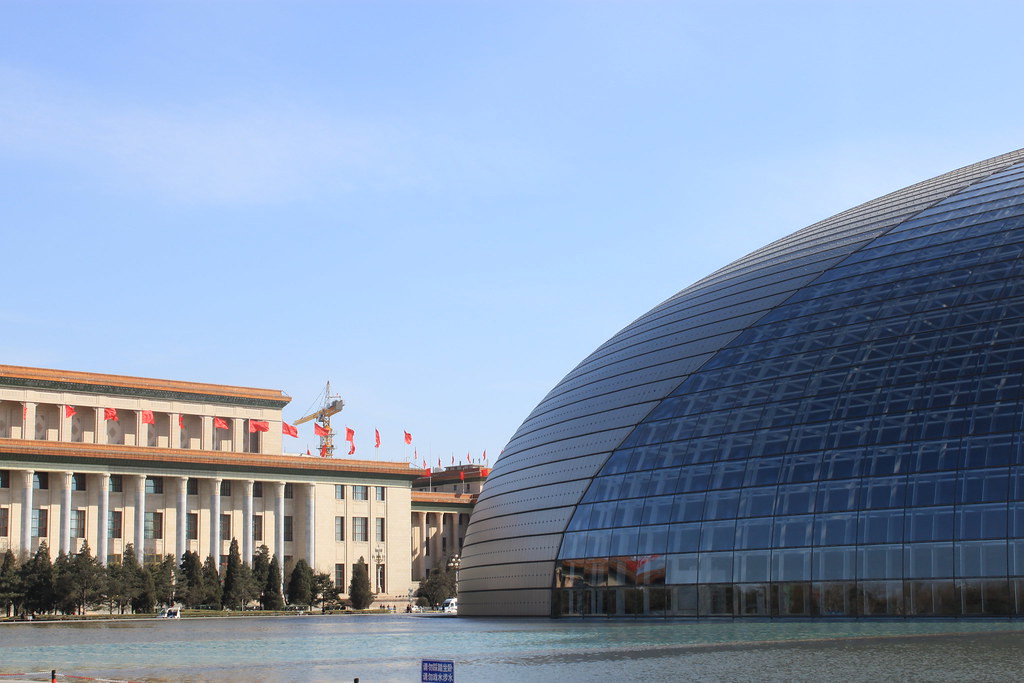
The Beijing Municipal Cultural Heritage Bureau recently approved three new local culture museums that will open within six months, adding to the record of the city's development along its central axis and within its hutong neighborhoods.
Central Axis and Dynastic Structures
Beijing's central axis stretches 7.8 kilometers from the Bell and Drum Towers to Yongdingmen and contains buildings from the Yuan, Ming and Qing dynasties, a span of more than 750 years. This linear route supplies a physical framework for tracing successive periods of urban planning and construction that remain visible today.
Hutong Neighborhoods and Yuan-Era Origins
Hutong neighborhoods preserve traces of a local lifestyle that extends back more than 800 years, with Nanluoguxiang recorded as dating to the Yuan Dynasty between 1271 and 1368. These narrow lanes continue to function as residential and commercial corridors that link older patterns of daily life to current use.
Dashilar Street Commercial Record
Dashilar Street has operated as a commercial hub for 600 years in central Beijing, serving as a social and business center through the Ming and Qing dynasties while keeping traditional architecture and older shops intact. The street's documented continuity provides a direct connection between historic trade practices and present-day activity.
New Museums and Heritage Bureau Approval
The three museums approved by the Beijing Municipal Cultural Heritage Bureau are the Beijing Liubiju Museum, the Beijing Chinese Cloth Shoe Culture Museum and the Beijing Cloisonné Art Museum. Their scheduled openings within six months introduce dedicated spaces for specific craft and commercial traditions that have formed part of the city's material record.
The earliest written references to Beijing as a city reach the 11th century BC, when the Zhou dynasty established the states of Ji and Yan, while archaeological finds place human habitation in the area between 230,000 and 250,000 years ago with Peking Man. These time depths supply the longer context in which the axis, hutongs, Dashilar Street and the forthcoming museums all sit.
The museums will provide public access to collections that document the same commercial and craft traditions already visible along the central axis and within the named hutong areas. Visitors can therefore move from established sites such as Nanluoguxiang and Dashilar Street to the new institutions once they open, following a sequence grounded in the verified historical layers already present in the city.